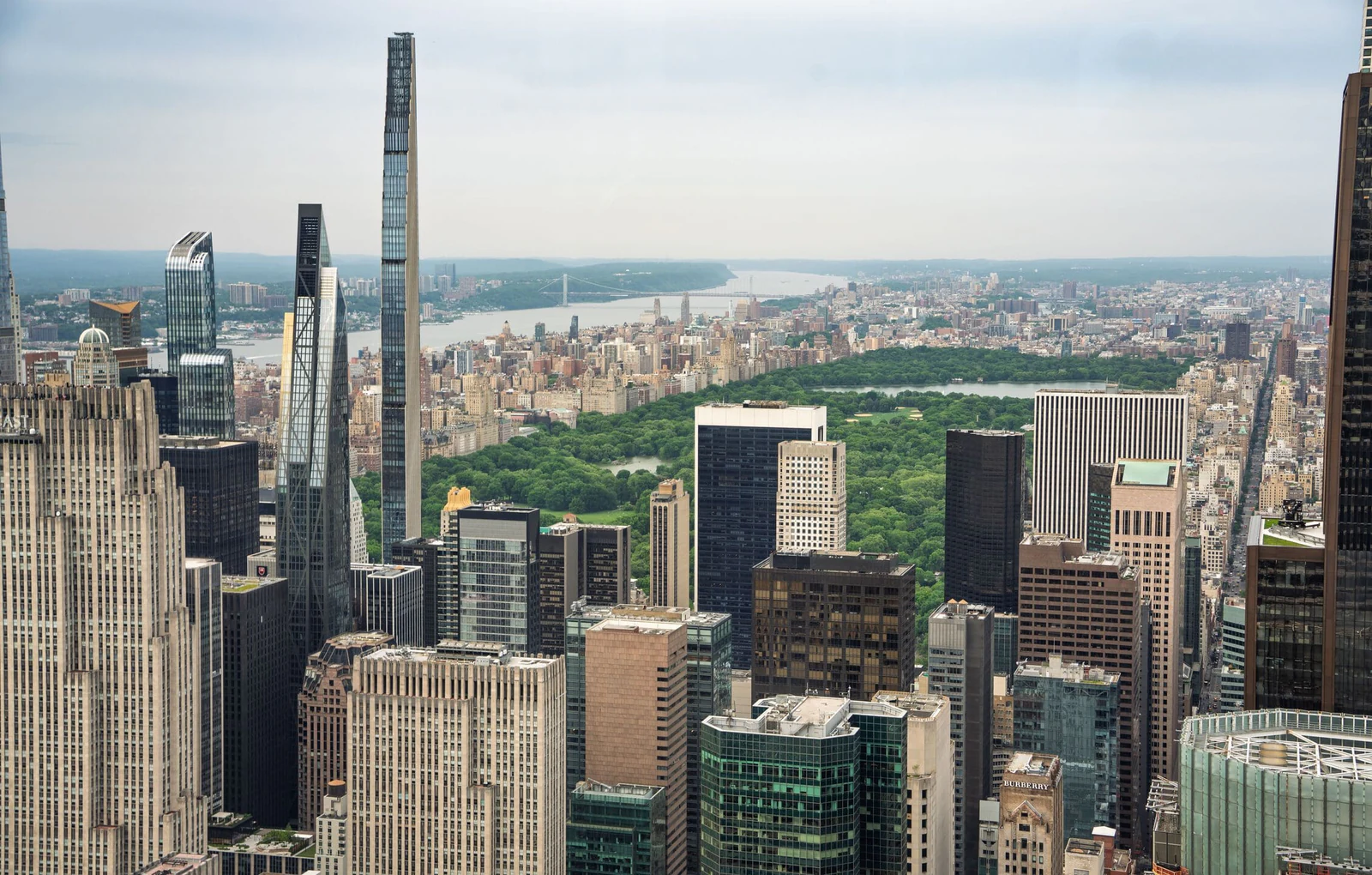
 North America
Study in United States
World's largest higher-education system, strong STEM/business reputation, extensive scholarship and assistantship culture at the graduate level.
Washington, D.C.
USD ($)
English
August/September
Studying in United States offers world-class education in Washington, D.C.. Average monthly living costs range from USD 1000 to 2500. Students apply for the F-1 Student Visa (application fee: $185 (DS-160 visa fee) + $350 (I-901 SEVIS fee) = $535 minimum), with work rights allowing On-campus work up to 20 hrs/week during term; off-campus work only via CPT/OPT after meeting eligibility requirements and post-study options: OPT: 12 months (36 months total for STEM-designated degrees); H-1B work visa sponsorship pathway thereafter..
Why Study in United States?
United States has established itself as one of the most sought-after study abroad destinations for international students. World's largest higher-education system, strong STEM/business reputation, extensive scholarship and assistantship culture at the graduate level. With a population of ~335 million and its capital in Washington, D.C., the country offers a unique blend of academic excellence, cultural richness, and career opportunities that few destinations can match.
4-year bachelor's, 1-2 year master's; broadest range of universities and specialisations in the world, plus extensive OPT/CPT practical-training options. The primary languages of instruction include English, ensuring accessibility for a diverse student body. Whether you're pursuing undergraduate, postgraduate, or doctoral studies, United States's higher education system is designed to prepare you for a globally competitive career.
Washington, D.C.
~335 million
USD ($)
North America
Cost of Living for Students
Monthly budget estimates and expense breakdown for international students
Living in United States as an international student typically costs between $1,000 and $2,500 per month (USD). This budget covers accommodation, food, transportation, and personal expenses. Your actual costs will vary depending on the city you choose to study in, your lifestyle preferences, and whether you opt for university housing or private accommodation.
Highly location-dependent — a major-city university (NYC, Boston, SF) can run 2-3x a mid-size college town. Total annual cost of attendance (tuition + living) typically ranges $25,000-55,000/year.
Where Your Money Goes
$1,000 – 2,500
USD per month
Additional: SEVIS fee, visa interview logistics; total realistic F-1 cost often runs $600-2,000 including ancillary fees
Student Visa & Immigration Guide
Everything you need to know about the F-1 Student Visa
To study in United States, international students need to obtain the F-1 Student Visa, issued by the U.S. Department of State (via U.S. Embassy/Consulate). The application process requires proof of admission, adequate financial resources, and several supporting documents. It is critical that you begin your visa application well in advance, as processing times average Days to a few months depending on embassy interview wait times.
The financial proof requirement is a key component of your application. No fixed published minimum — you must show funds equal to the estimated cost of attendance listed on your Form I-20 (tuition + living costs for one year), via bank statements or an approved loan letter.
Student Work Rights
On-campus work up to 20 hrs/week during term; off-campus work only via CPT/OPT after meeting eligibility requirements
Post-Study Work Options
OPT: 12 months (36 months total for STEM-designated degrees); H-1B work visa sponsorship pathway thereafter.
Required Documents Checklist
Ensure you have all of the following ready before submitting your visa application to avoid delays or rejection.
Visa fees, financial thresholds, and document requirements change frequently. Always verify the latest requirements on the official immigration portal before applying.
Plan Your Study in United States
Get matched with top verified consultants for admissions, scholarships & visa processing.
Explore Other North America Destinations
Compare visa rules and living expenses across other study destinations in North America
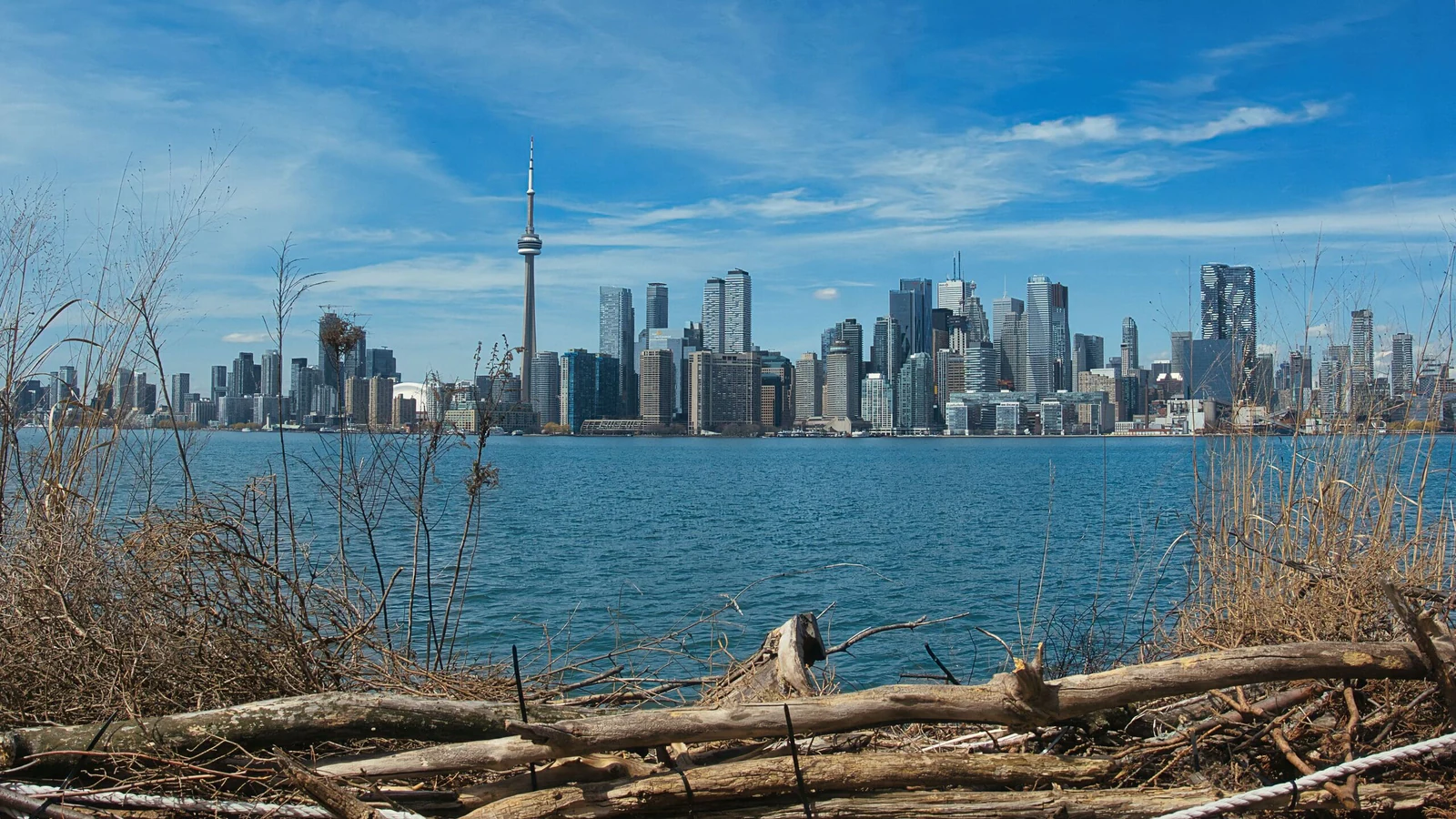
 North AmericaOttawa
Canada
Clear pathway from study permit to PGWP to permanent residence, strong reputation for safety and multiculturalism.